Monday, January 30, 2006

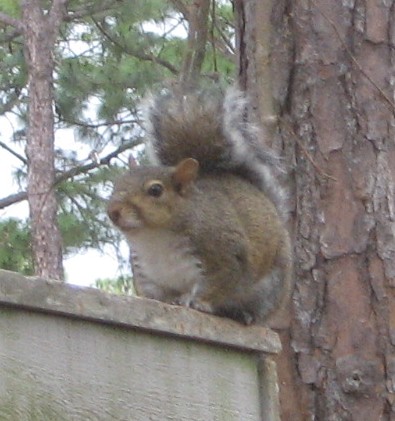
Eastern Gray Squirrel


Here is another photo of a squirrel, presumably the same on in the picture below. The ledge the squirrel is standing on is hollow, and a hole has been chewed in it. A family of at least four squirrels lives in the hole. If you look at the ledge closely, you see places where the squirrels chewed to try to widen the opening. A few moments before I took this photo, another one peeped its head through the gnawed hole. It was really cute! Have you seen any squirrels living in strange places? If so, please comment.

Sunday, January 29, 2006

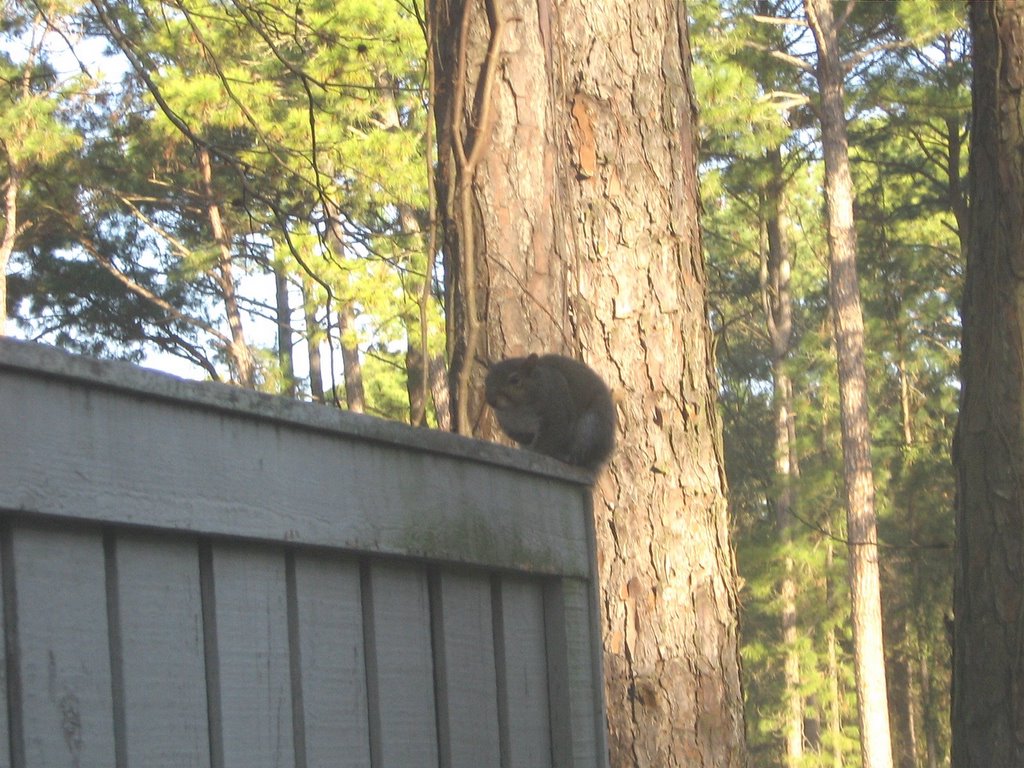
Squirrel Sitings


Here is a photo of an Eastern Gray Squirrel. Sorry, this photo is not very good.This one looks like it has been stocking up for the winter! :)' For a cool website concerning this kind of squirrel, click.

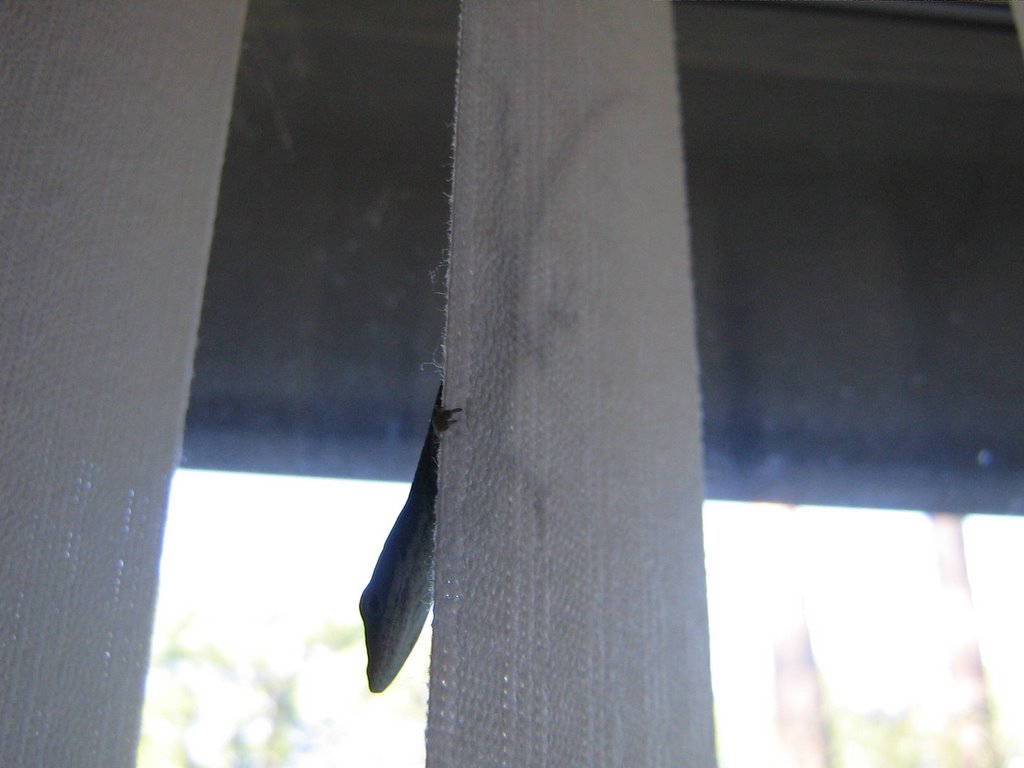
Anoles in my house! 2


Here is the other one. This isn't a very good photo, though :(

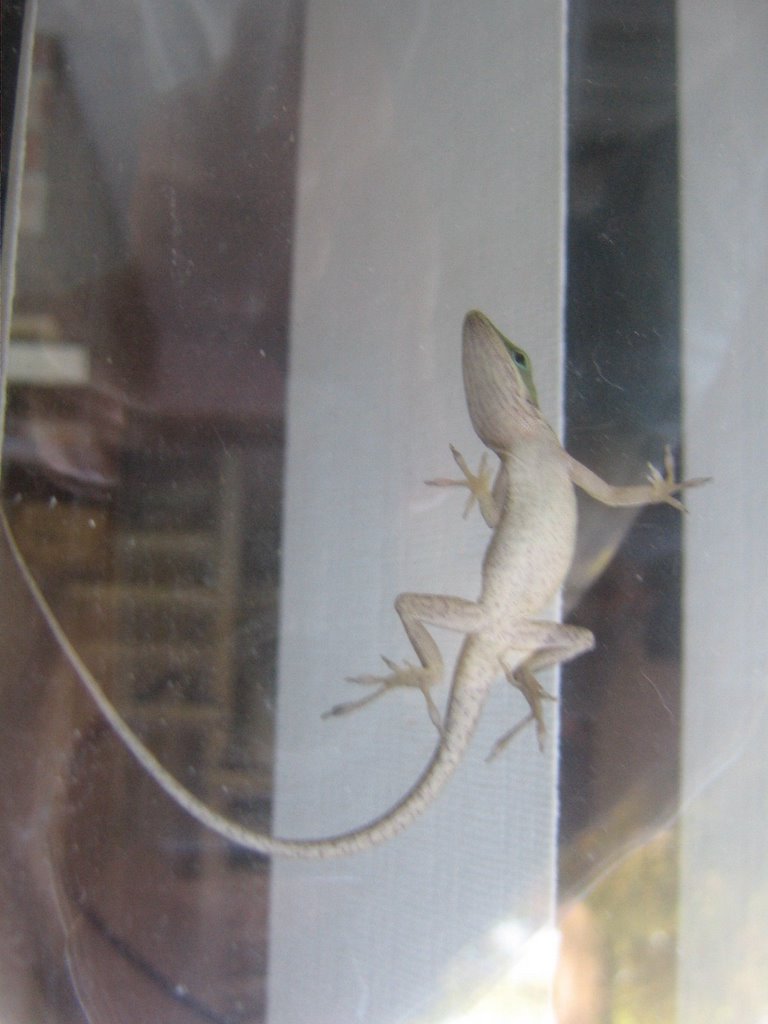
Anoles in my house!


A few days ago I noticed an anole crawling up our curtain things. When I got closer, I saw there were two of them!

Thursday, January 12, 2006

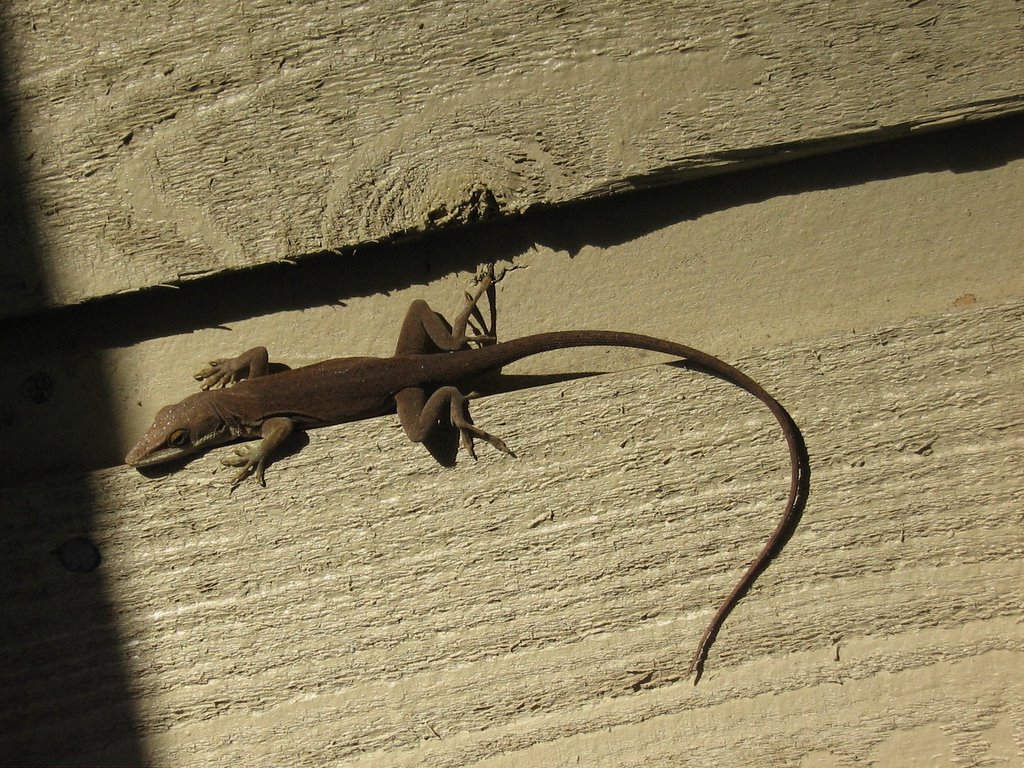
Carolina Anole


Here is a photo of a Carolina Anole, and this one is full grown. To see more on Carolina Anoles, go to my previous post.

Lichen Bug 3


Here is yet another photo of the Green Lacewing larva, (see more below). If you click on it to enlarge it, and look really closely at it, you can see its little feet.

Lichen Bug 2


Here is another photo of the Green Lacewing Larva.

Lichen Bug


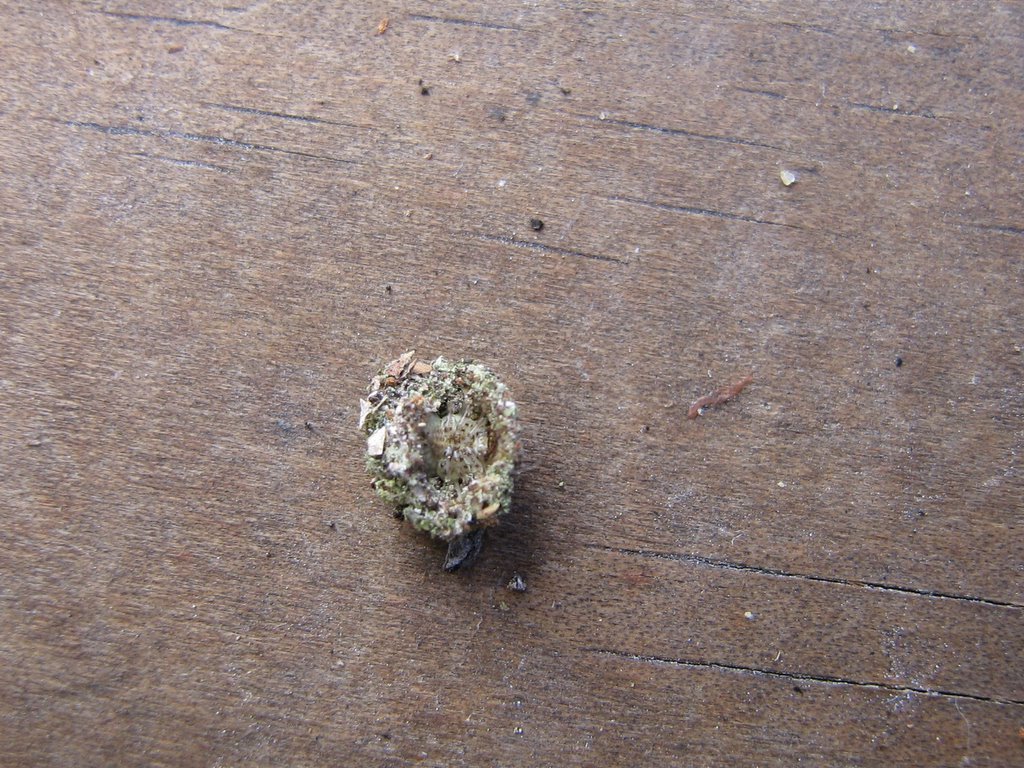
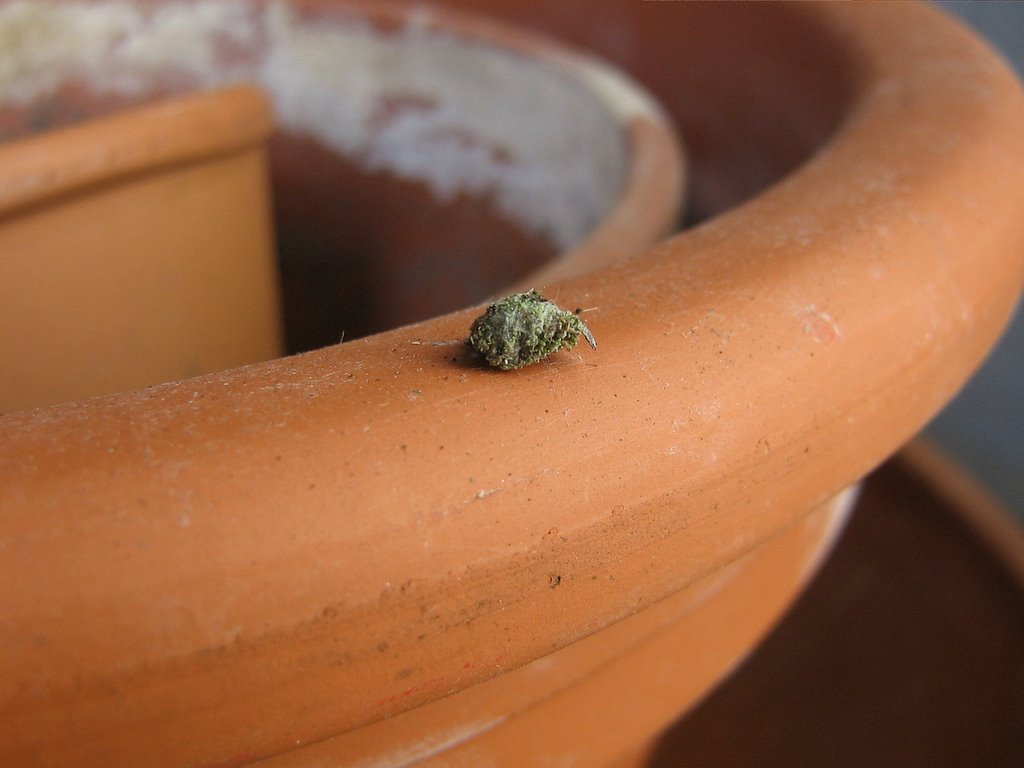
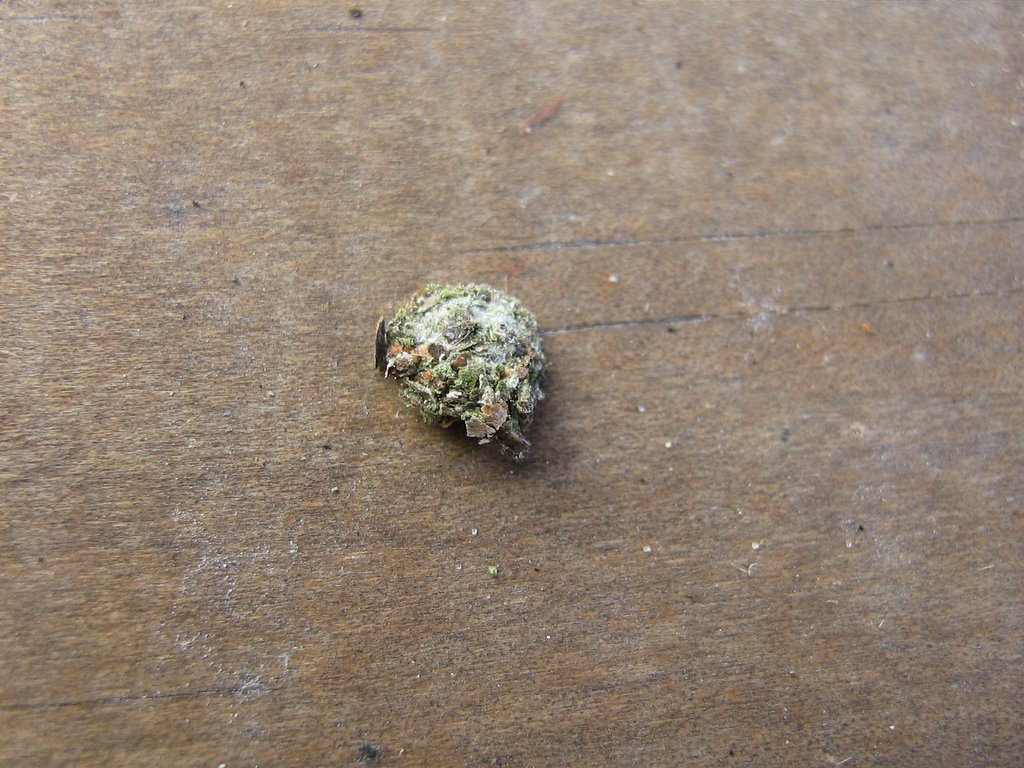
This looks like an unassuming piece of lichen and debris, right? Wrong! This is a Green Lacewing larva! I found this little critter on our deck today, and it fascinated me. They camouflage by putting bit of lichen, leaf-litter, and who knows what else on their backs! X(' Here are some pics I took, and if you look closely at the one below above, you can see its speckled legs. Have you ever seen some lime green stick-like fly things with fairy-like wings? Those are Green Lacewings. Here are a couple of websites I found with info on them. On this website there are three different columns with a different language in each, and English is in the middle. I hope this isn't confusing. Here is another one. This guy didn't know what they were, so that's why I had to get another website.

Sunday, January 08, 2006

Nature Walk 4


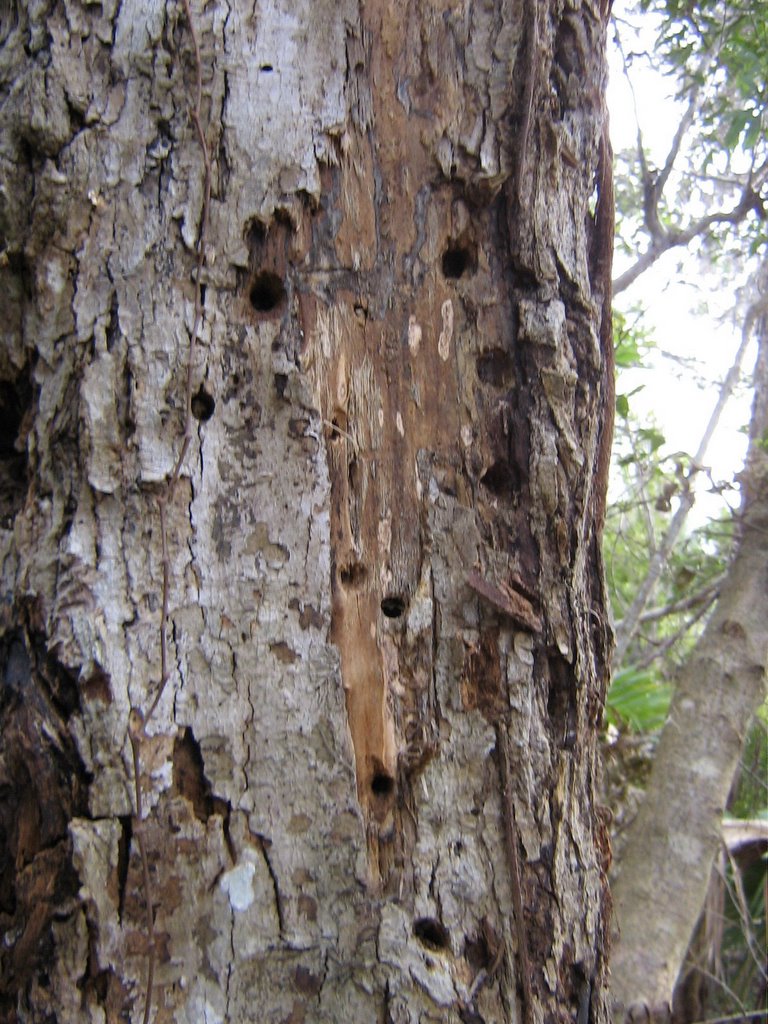
Woodpecker damage to a dead tree. It's cool how the holes are so neat and so round!

Nature Walk 3

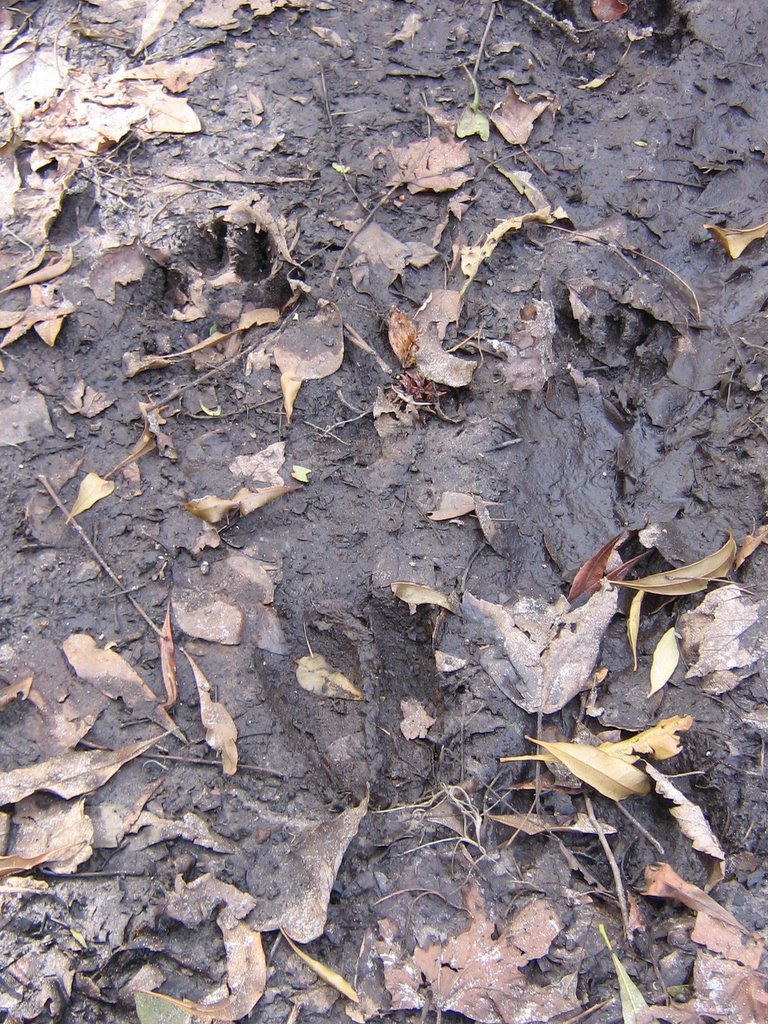
Here you see another cool print, a deer footprint.

Nature Walk 2


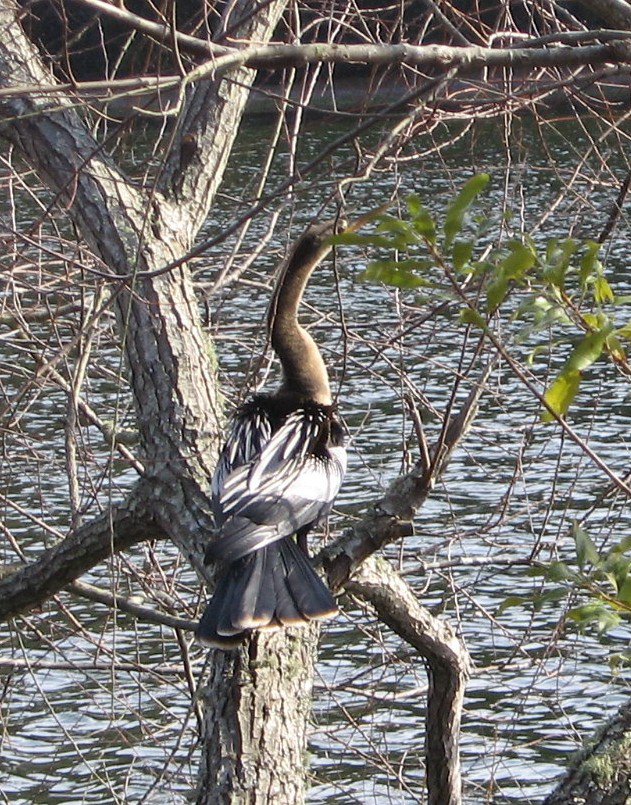
Here is a photo of an adult female Anhinga.

Nature Walk 1


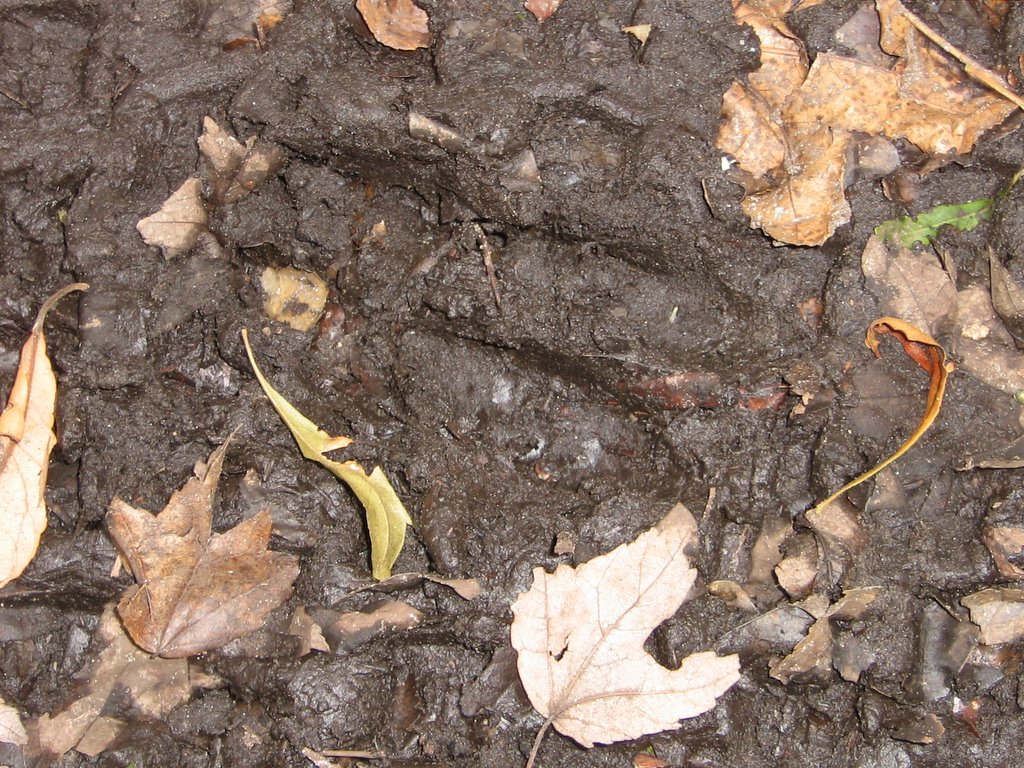
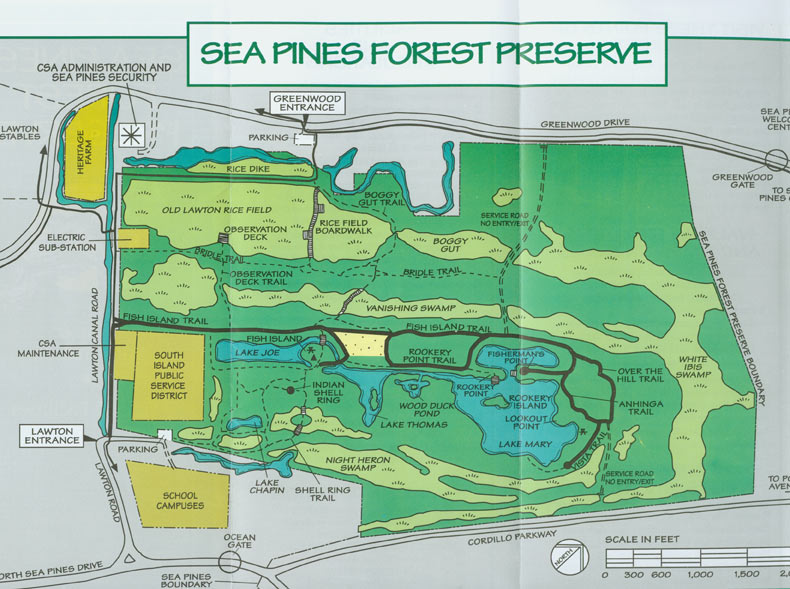
Yesterday my Dad and I went on a nature walk in the Sea Pines Forest preserve, where I took some pictures. This photo was taken near the beginning of Boggy Gut Trail. You can see Boggy Gut on a map here: http://photos1.blogger.com/blogger/1313/1894/1600/SPFPmap.0.jpg You can often find a lot of footprints in the mud of Boggy Gut Trail. This photo shows a dog print, a raccoon print, and a deer print. Cool, huh?

Wednesday, January 04, 2006

More on White Ibis

The White Ibis, Eudocimus albus, (its Latin name) has a Length of about 22 inches, and its wingspan is about 38 inches. They like to roost in trees together, and there are a lot of 'em. It's really cool to watch all of them up there! During the mating season, White Ibises have legs the color of a red grapefruit, but normally they have grey slate-colored legs. Both female and male look basically the same, but juveniles (young birds) are colored brown above and white below, with brown bills and brown legs. They stretch their necks out when they're flying. White Ibis droppings fertilize the water, which increases the growth of plankton, the basic food of all marsh life. Eww. X(' It's gross but it's interesting. At first the White Ibis seems sort of insignificant, but when you take the time to learn about it, you can see it helps the local environment a lot!

Monday, January 02, 2006

Oops! Retraction on the White Ibis :S

Oops! Sorry, I read the article wrong about spawnfish and White Ibis. Actually, the Ibis eats crayfish who eat spawnfish who eat mosquito larvae. At first it doesn't make sense, but if you let it sink in and think about it, you can understand it. I need to read more closely! :S

Sunday, January 01, 2006

Today's wildlife focus: The White Ibis


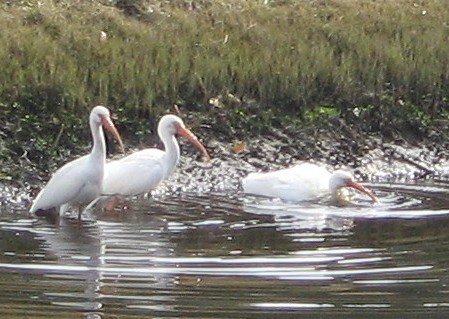
As you can see, the "wildlife focus" for today is the White Ibis. I took this photo of several White Ibises preening and bathing on the banks of Hilton Head Prep. (I took this photo with my *new* camera!) They like to eat crustaceans, with crayfish and crabs being major items. They also eat insects, snails, frogs, marine worms, snakes, and small fish, such as spawnfish, who in turn eat mosquito larvae. My books say this is good, and that this keeps the mosquito population down, but I don't really understand. The birds eat the fish who eat the mosquitos? Not good! If you have other information to disprove what i've just said, please comment. This post is sort of weak, since I didn't post much info, but if you know something I don't about the White Ibis, please comment!

Wednesday, December 28, 2005

New photos!!!

Yippeee! I got a digital camera for Christmas, so I will be able to put more photos up!!!

Saturday, December 24, 2005

Merry Christmas!

Merry Christmas and a happy new year!!!

To anonymous Part II

About the armadillos, yep I've seen some squashed on the road near the Sea Pines Country Club, but I've never seen any alive. Other people probably have seen them too. The Nine-Banded Armadillo migrated to Texas in 1849 when it was expanding its population. The armadillo's progress was helped along by pranksters and animal dealers. A circus truck let some loose in 1936, and a Florida zoo released some in 1924. It migrated north and east for 150 years, and now it is widespread in states such as Kansas, Tennessee, Alabama, Missouri, Georgia, and, ;D , South Carolina. Sorry if this is too long, it's hard for me to write stuff in a nutshell.

To anonymous

Sorry if I have been making you wait, I haven't gone on my blog in a while. I think this link can explain your question about the difference between 'gators and crocs. I could explain it myself, but this website will probably explain it more completely. Here it is :http://www.flmnh.ufl.edu/natsci/herpetology/brittoncrocs/cbd-faq-q1.htm

Tuesday, December 13, 2005

Today's wildlife focus: The Diamondback Terrapin

Today's wildlife focus is the Diamondback Terrapin, which is a turtle living in salt marshes, lagoons, etc. In cold, sunny weather, sometimes you can see them sunbathing with the 'gators on the banks of HHI Prep. School. They prefer little creeks and lagoons to an open bay, as it gives them more shelter;But some have even been found swimming in the Atlantic Ocean!The Diamondback Terrapin is the most commonly spotted turtle on Hilton Head, which is sort of obvious. ;)' They are about as big as a shoebox. They eat Fiddler Crabs, Periwinkle Snails, little fish, and even grass! They can eat almost anything, which could be a hazard to their health. You don't know what finds its way into our back lagoons. Speaking of hazards, these little turtles lay their eggs in early summer, and most of the time they cross the road to get to the spot they think is perfect. I have seen several turtles squashed by cars, and they are not a pretty sight. Poor little things. :(